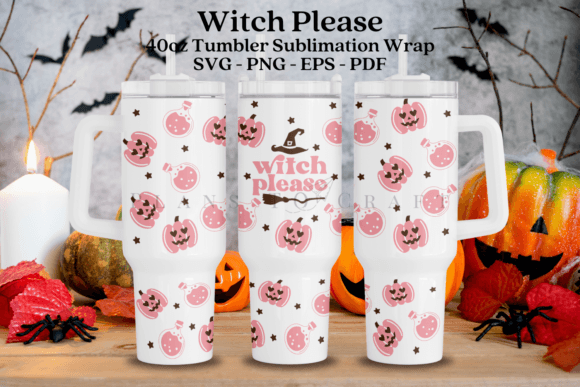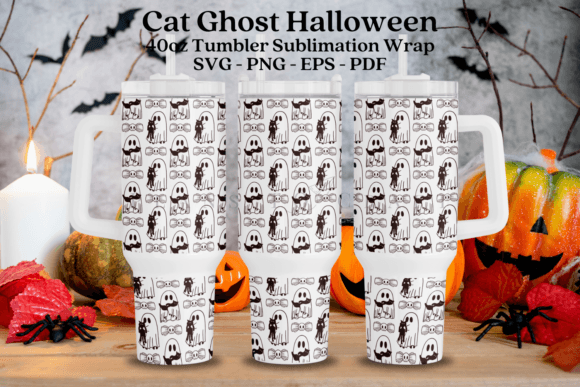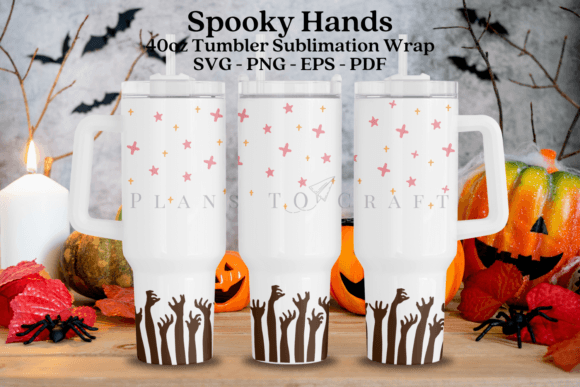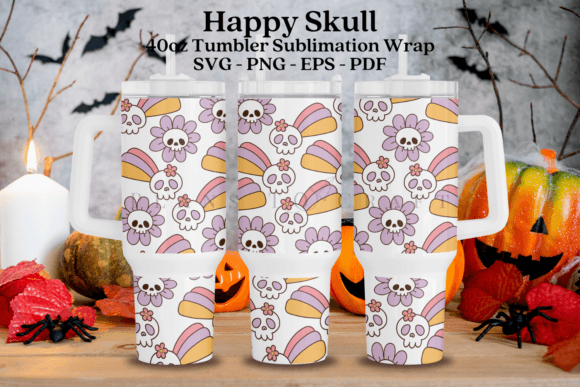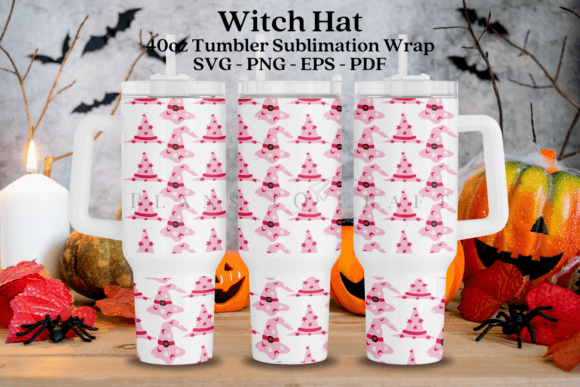
Witch Hat Halloween 40oz Tumbler Wrap
A Designer’s First Glance: Playful, Not Precious
When I opened Witch Hat Halloween 40oz Tumbler Wrap, my first thought wasn’t “perfect for embroidery”—it was “this is a tumbler wrap first, and it shows.” The layout is bold, centered, and scaled to wrap cleanly around a 40oz Quencher. That means generous negative space, clear silhouette, and a strong vertical rhythm—ideal for sublimation, but not automatically optimized for stitch. The witch hat itself has clean curves and a slightly whimsical tilt, with subtle brim texture and a compact broom detail tucked beneath. It reads instantly as Halloween, but without cluttered elements or fragile linework that would vanish under dense fill stitch. For embroidery, that’s a quiet win: it’s *designed to be seen*, not just admired on screen.
Where It Shines in Real Embroidery Projects
I tested Witch Hat Halloween 40oz Tumbler Wrap as the focal motif on a medium-weight cotton tote bag—and it landed beautifully. Because the original layout avoids tiny interior details (no micro-stars, no delicate stitching lines), the design translated cleanly into satin-stitched brim edges and smooth fill-stitched crown. Customers loved the confident scale and recognizable theme—especially moms ordering personalized back-to-school totes for teachers or Halloween party favors. It also worked well as a single-embroidered patch on a denim apron for a local bakery’s seasonal staff uniforms. The shape holds up across fabric types: on fleece sweatshirts, the hat’s proportions stayed balanced; on tea towels, the simplified outline kept visual impact without bleeding or distortion.
For small business owners and Etsy sellers, this isn’t a “just add thread” file—it’s a starting point with built-in versatility. I’ve used it as the anchor for holiday gift bundles (embroidered hat + matching printed mug sleeve), boutique baby onesies (scaled down carefully, keeping only the hat crown and brim), and even as a custom cap front for a craft fair booth. Its strength lies in clarity, not complexity—making it reliable for repeat production and easy to pair with coordinating fonts or simple borders.
Where Caution Is Needed
Don’t force Witch Hat Halloween 40oz Tumbler Wrap into tight spaces. Its natural scale assumes room to breathe—so avoid hoops smaller than 4x4 inches unless you’re willing to simplify manually. On stretchy fabrics like knits or thin jersey, the brim’s clean curve can pucker if stabilizer isn’t layered thoughtfully (I recommend cutaway + tear-away combo). And while the design avoids fine lettering, if you plan to add text—like a name or year—treat it as a separate element, not part of the original wrap. Also, keep in mind: dark fabric backgrounds will mute contrast unless you choose high-visibility thread colors (think bright purple or metallic silver over black).
It’s not ideal for highly textured surfaces like bouclé or thick terry cloth—those fibers compete with stitch definition. And while it’s charming on nursery decor, skip using it on baby blankets meant for frequent washing unless you confirm thread and stabilizer durability through testing. This isn’t a flaw in the file—it’s a reminder that a tumbler wrap is engineered for rigid, smooth surfaces first.
What This Means for Your Finished Product
When stitched well, Witch Hat Halloween 40oz Tumbler Wrap elevates handmade perception—not because it’s intricate, but because it feels intentional. Customers notice confidence in scale and spacing. A well-executed version on a premium tote or organic cotton sweatshirt reads as boutique-quality, not craft-fair basic. It builds trust: buyers know exactly what they’re getting (a joyful, seasonally clear statement), and that predictability supports repeat orders and social sharing. For digital product sellers, it’s a solid foundation for printable mockups—especially when shown on light and dark fabric previews side-by-side.
Practical Notes Every Embroidery Designer Should Check
- Test first on scrap fabric matching your final project’s weight and stretch.
- Review stitch density—if your machine struggles with dense fills, reduce underlay or adjust fill angle.
- Confirm hoop size compatibility before digitizing or resizing; the original wrap’s proportions assume generous real estate.
- Inspect small details at actual stitch size—what looks crisp on screen may need manual cleanup for satin edges.
- Try black-and-white mockups to assess contrast and legibility before committing to thread colors.
- Use appropriate stabilizer: medium-cutaway for knits, tear-away for stable wovens, and fusible + tear-away for lightweight fabrics.
- Verify licensing—since this is marketed as a Graphics file for tumbler wraps, confirm whether commercial embroidery use (e.g., selling finished embroidered items) is permitted under its terms.
- Compare light/dark fabric backgrounds in your design software—some vector paths may need manual stroke adjustments for visibility.
Final Thought: A Smart Starting Point, Not a Standalone Solution
Witch Hat Halloween 40oz Tumbler Wrap won’t replace a purpose-built machine embroidery design—but it doesn’t need to. For designers who regularly adapt graphics for apparel, patches, and home goods, it’s a refreshingly straightforward asset: no hidden layers, no over-engineered effects, no misleading promises of “stitch-perfect out of the box.” It asks you to engage thoughtfully—to resize intentionally, stabilize wisely, and pair it with products where bold, cheerful recognition matters more than delicate detail. That makes it especially valuable for craft businesses building seasonal collections, Etsy sellers launching Halloween-themed listings, or embroidery studios prepping quick-turn custom gifts. Just remember: great embroidery starts with smart selection—not just pretty files.