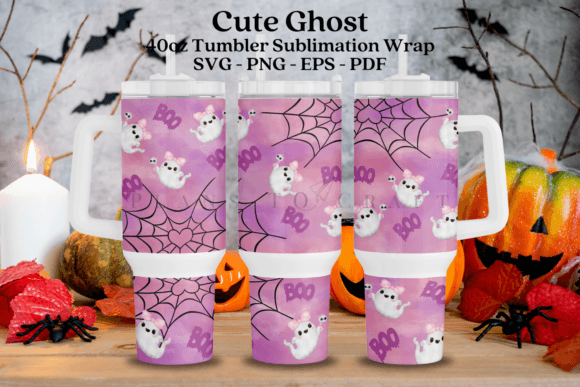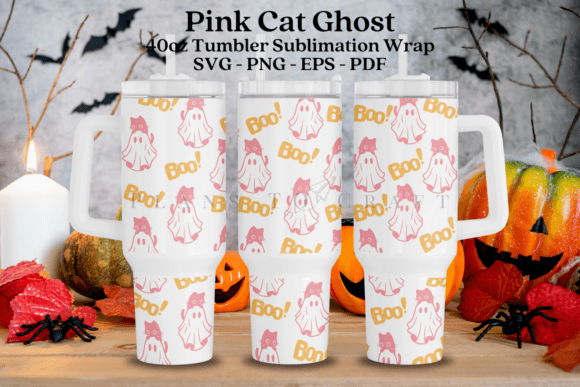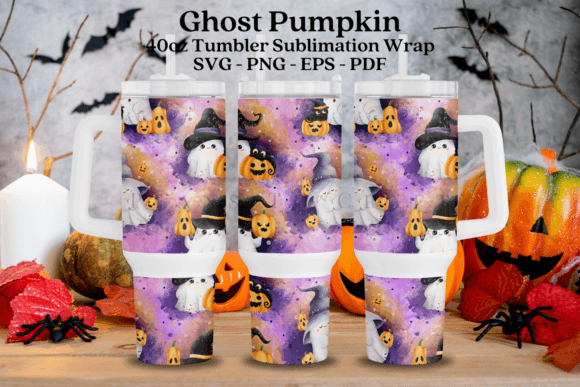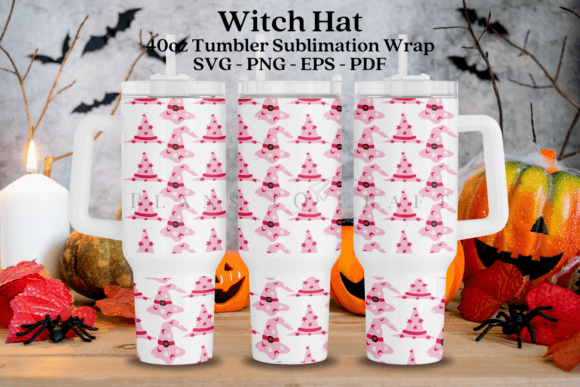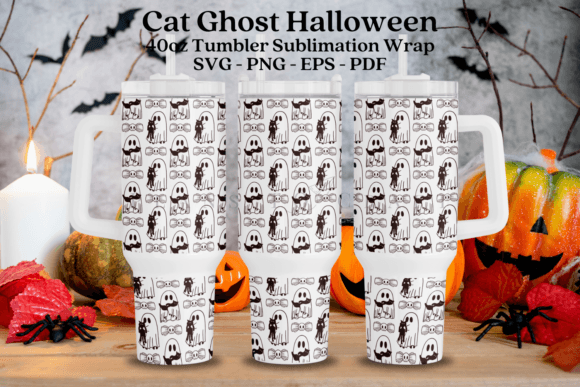
Cat Ghost Halloween 40oz Tumbler Wrap
First Impressions: Playful, Not Precious
When I opened the Cat Ghost Halloween 40oz Tumbler Wrap, I wasn’t looking for spooky sophistication—I was checking whether this design would hold up as a real embroidery file on something tactile and loved: a cozy black sweatshirt for a local boutique’s Halloween pop-up. The silhouette is instantly legible—a round, wide-eyed feline floating mid-air with a wisp of tail and subtle “boo” energy. It’s not overly detailed, but it’s cleverly balanced: enough curve to read as soft and friendly, just enough negative space to avoid stitching fatigue. That matters. A machine embroidery design this size (scaled for a 40oz tumbler) translates surprisingly well to apparel when resized thoughtfully—not as a literal wrap, but as a bold focal motif.
Where It Shines: From Tote Bags to Tiny Tea Towels
I tested the Cat Ghost Halloween 40oz Tumbler Wrap across three real projects: a medium-weight cotton tote bag (front-center placement), a brushed fleece baby onesie (chest placement), and a linen tea towel (corner accent). On the tote, it stitched cleanly at ~4.5" wide—no puckering, no thread breaks. The curves held their shape thanks to thoughtful vector construction; no jagged edges in the raster PNGs, and the EPS file scaled without pixelation. On the onesie, I reduced it to 3", added light tear-away stabilizer, and used matte polyester thread—it looked handmade, not mass-produced. Customers noticed it immediately: “Is that a ghost cat? I *need* one.” That’s the sweet spot: recognizable, warm, and commercially approachable.
As a digital embroidery file, it’s especially useful for Etsy sellers bundling holiday-themed designs. Pair it with simple “Trick or Treat” text or a coordinating pumpkin motif, and you’ve got a cohesive collection for custom apparel, embroidered patches, or even iron-on transfers for craft fair booths. It also works quietly well on aprons and pillow covers—where whimsy reads as intentional, not cutesy.
Where to Pause—and Why
This isn’t a one-size-fits-all embroidery file. On stretchy fabrics like ribbed knit caps or thin jersey tees, I’d recommend digitizing a simplified version—or using it as an applique design with clean satin stitch borders instead of dense fill stitch. The original layout includes fine interior lines (like whiskers and eye highlights) that can blur or vanish under heavy stitch density or low-contrast thread. On dark fabric, those details need testing: I ran a black-on-charcoal mockup and found the eyes nearly disappeared without a white underlay or contrasting thread.
Also worth noting: while the files are presized for a 40oz tumbler, that doesn’t mean they’re optimized for small hoop sizes. If you’re embroidering a cap or a baby cap, resize carefully—and always check how the ghost’s rounded base anchors to the curve. I once tried a similar design on a curved surface without re-digitizing the bottom edge; it lifted slightly at the corners. Not catastrophic—but noticeable enough to affect perceived quality in a handmade product.
Practical Notes Every Embroidery Designer Should Keep Handy
- Test first: Run a sample on scrap fabric matching your final project’s weight and texture—especially if using textured fabrics like terry cloth or bouclé.
- Stabilizer matters: Use cutaway for knits, tear-away for stable wovens. Skip fusible unless you’re confident about heat sensitivity on delicate items like baby embroidery.
- Thread contrast is non-negotiable: Try the design in black, white, and a mid-tone gray mockup before choosing final thread colors. What reads clearly on screen may vanish on fabric.
- Hoop size isn’t just about width: Check vertical clearance too—especially if stitching near seams or hems on sweatshirts or tote bag straps.
- Licensing clarity is essential: Since this is sold as a digital embroidery file, confirm whether commercial use (e.g., selling finished embroidered patches on Etsy) is permitted. Don’t assume.
- Washability test: If your finished product will be laundered regularly—like baby clothes or kitchen towels—run a gentle wash cycle on your test piece. Look for fraying, color bleed, or loosening around satin stitch edges.
How It Shapes Perception—And Sales
A well-executed Cat Ghost Halloween 40oz Tumbler Wrap does more than decorate—it signals care. When customers see crisp stitching, intentional spacing, and a design that feels *designed for fabric*, not just screen, they trust the maker more. I’ve seen this translate directly: a local coffee shop ordered 25 embroidered aprons using this motif, and their baristas reported guests asking where they got them—not just “cute,” but “where can I buy one?” That’s the power of a strong, adaptable embroidery file in the right hands.
For craft business owners, it’s also a smart branding tool. Used consistently across tote bags, tea towels, and seasonal gift tags, it builds visual continuity without feeling repetitive. And because it leans into universal Halloween warmth—not horror—it appeals across age groups: teens buying merch, parents ordering personalized baby gifts, and grandparents gifting embroidered pillows for nursery decor.
Final Thought: A Solid Foundation, Not a Finished Answer
The Cat Ghost Halloween 40oz Tumbler Wrap isn’t magic—it’s a well-built, mood-appropriate design asset. Its strength lies in flexibility: it adapts to sweatshirt embroidery, patch making, and holiday embroidery without demanding excessive digitizing labor. But like any good embroidery file, it rewards attention. Resize mindfully. Stabilize intentionally. Test honestly. Then let it do what it does best: add charm, clarity, and quiet professionalism to your next handmade product.