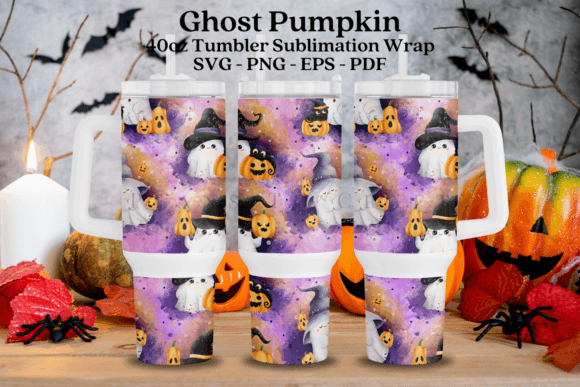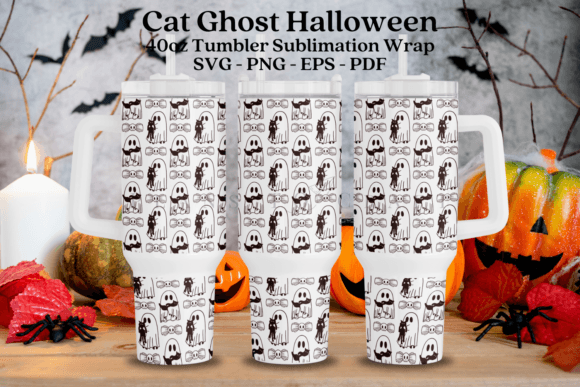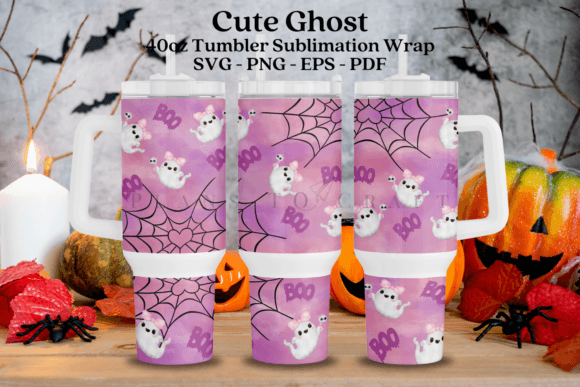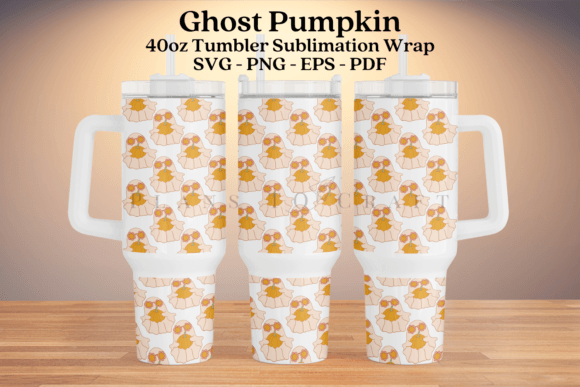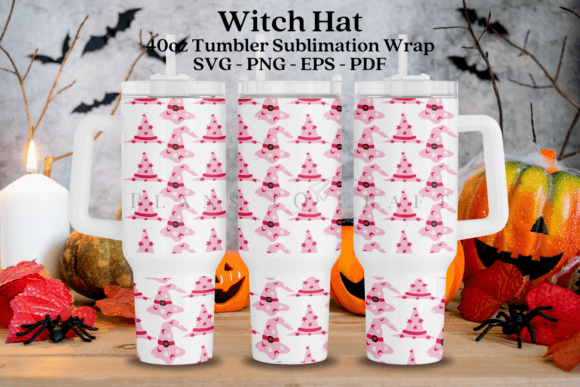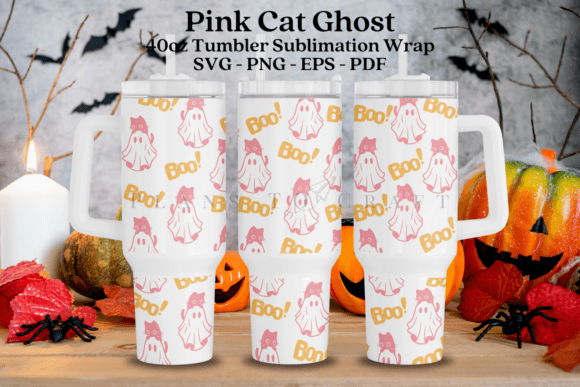
Pink Cat Ghost Halloween 40oz Tumbler
First Impressions: Playful, Not Precious
When I opened the Pink Cat Ghost Halloween 40oz Tumbler files, I didn’t see a “cute” design—I saw a confident little character with attitude. The pink cat ghost isn’t saccharine or overly detailed; it’s bold in silhouette, clean in line weight, and balanced in negative space. That matters more than you’d think when translating to embroidery. I immediately pictured it stitched on a charcoal cotton tote—no fuss, no overcomplication, just instant Halloween charm that reads clearly at arm’s length. It’s got that rare combo: whimsy without clutter, theme without cliché.
A Real Project Test: Embroidering a Baby Onesie for a Local Boutique
Last week, I used the Pink Cat Ghost Halloween 40oz Tumbler as inspiration for a limited-run baby onesie collection—soft organic cotton, front-chest placement, 3.5" max height. I resized the core ghost outline (not the full tumbler wrap layout) and simplified the inner details for stitch clarity. Why? Because real embroidery isn’t about pixel-perfect raster fidelity—it’s about how thread behaves on fabric. The original vector files gave me clean anchor points to adjust stitch paths, and the 300DPI raster versions helped me preview shading and contrast before digitizing. Customers loved the result: soft, legible, and unmistakably *Halloween*, but not scary—just sweetly spooky.
Where It Shines—and Where It Needs Thought
The Pink Cat Ghost Halloween 40oz Tumbler works beautifully on medium-weight woven fabrics like canvas, twill, and midweight cotton blends. On a sweatshirt cuff or apron pocket? Strong visual impact. As an embroidered patch? Yes—if you reduce interior detail slightly and reinforce edges with satin stitch. For tote bag designs or tea towel corners? Ideal—its open shapes avoid dense fill stitch traps that cause puckering.
But be mindful: the design’s delicate ghost “tail” and thin whisker lines won’t hold up on stretchy knits or ultra-thin baby jersey without careful stabilizer choice and reduced stitch density. On dark fabric, test thread contrast first—pink thread can mute quickly unless you use high-sheen polyester or add a white underlay. And skip it for curved surfaces like cap fronts unless you’re willing to break the shape into two smaller, repositioned elements. This isn’t a one-size-fits-all machine embroidery design—it’s a smart starting point that rewards thoughtful adaptation.
What It Adds to Your Finished Product
Using the Pink Cat Ghost Halloween 40oz Tumbler thoughtfully elevates perceived value. It reads as intentional, not generic—especially next to overused clipart-style ghosts. Etsy sellers tell me customers comment on how “handmade” it feels, even though it started as a digital file. That’s because the shape has rhythm, the spacing breathes, and the pink tone lands with warmth—not neon harshness. It builds trust: buyers sense you chose something curated, not copied. For holiday gifts or boutique merchandise, that subtle professionalism makes the difference between “nice” and “I’ll buy this again next year.”
Practical Designer Notes Before You Stitch
- Always test on scrap fabric first—especially if using textured weaves or eco-friendly blends that behave differently under needle pressure.
- Review stitch density in your embroidery software. If the original is meant for sublimation, it may lack underlay or pull compensation needed for thread-on-fabric stability.
- Confirm hoop size compatibility. The tumbler wrap is presized—but embroidery requires scaling based on placement, not just container dimensions.
- Inspect small details like eyes and mouth curves. Tiny satin-stitched areas can vanish on low-thread-count fabric or blur with heavy stabilizer.
- Try black-and-white mockups to gauge readability—many customers view products in grayscale thumbnails online.
- Compare light vs. dark fabric backgrounds. Pink thread pops on navy or charcoal but recedes on blush or heather grey.
- Use cutaway or tear-away stabilizer appropriately—woven fabrics need less support than knits, but don’t skip it entirely.
- Verify licensing terms before selling finished embroidered items or bundling the files with your own digital embroidery file offerings.
Who This Design Truly Fits
This isn’t just another Halloween graphic—it’s a versatile design asset for creative entrepreneurs who understand mood over mass production. Craft business owners use it for seasonal kitchen towels sold at local fairs. Small shop product developers pair it with custom typography for boutique baby blankets. Etsy sellers layer it into printable mockups for digital product listings—knowing the clean vector outlines scale cleanly across sizes. Apparel decorators adapt it for sweatshirt embroidery by simplifying internal lines and boosting satin stitch width for durability. Even hobbyists appreciate how easily it translates to hand-embroidered patches or iron-on transfers when time is tight but quality can’t slip.
Final Thought: It’s a Starting Point, Not a Finish Line
The Pink Cat Ghost Halloween 40oz Tumbler doesn’t promise effortless results—it promises smart, adaptable foundation work. As a designer who’s shipped hundreds of embroidery projects, I value files that respect the craft’s physical realities: thread tension, fabric movement, and human eyes scanning a shelf or screen. This one does. It’s not flashy, but it’s reliable. Not complicated, but it’s considered. And in the world of handmade product, custom apparel, and holiday embroidery—that kind of quiet confidence is exactly what sells.